
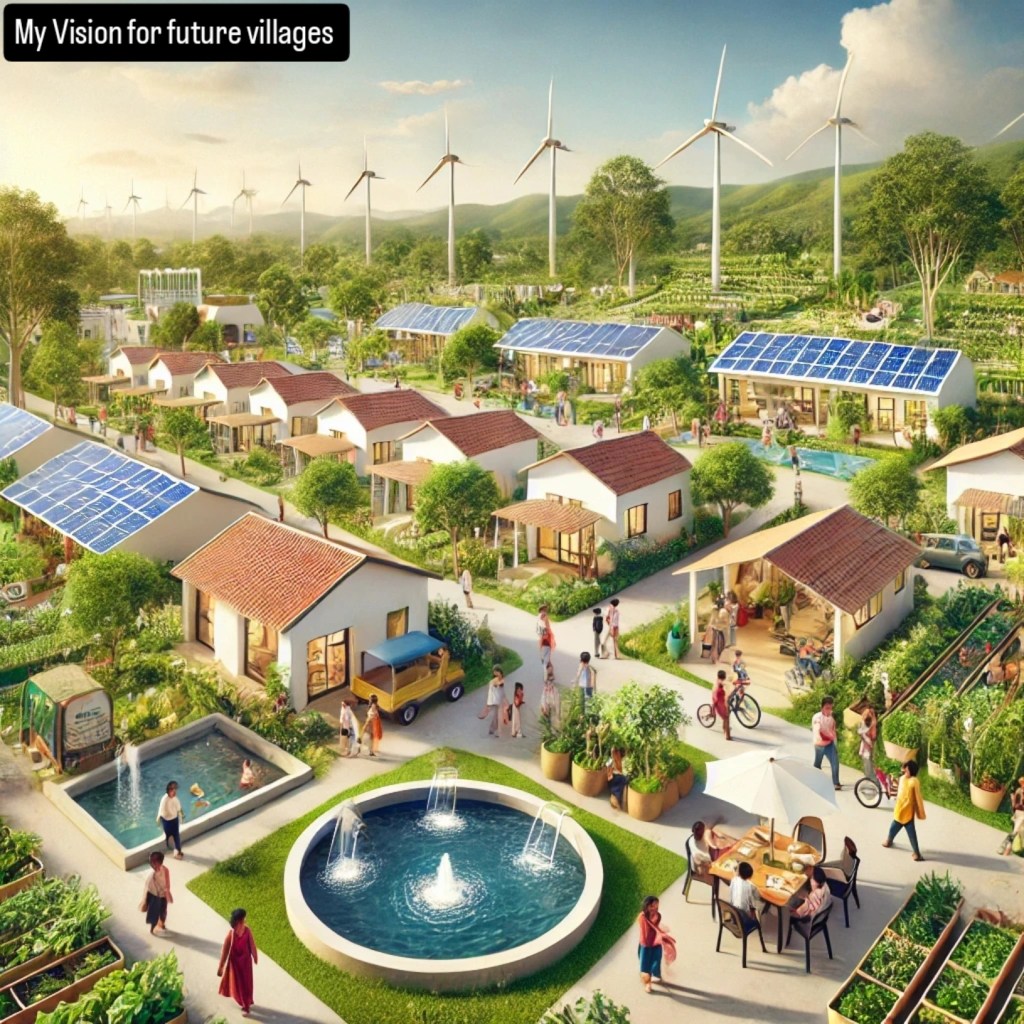
When we talk about sustainability, the conversation often leans toward extremes—“Don’t use plastic,” “Stop driving,” “Ban this, eliminate that.” But true sustainability is not about halting progress or limiting human activity. It’s about managing resources responsibly and making smarter, more conscious choices that balance our needs with the well-being of the planet.
Let’s shift the narrative from “don’t” to “how”—how can we innovate, improve, and create systems where people and the environment thrive together? Here’s how sustainable solutions work without stopping essential activities:
1. Plastics: From Waste to Resource
It’s unrealistic to eliminate plastic entirely—it’s essential in sectors like healthcare, food preservation, and transportation. The challenge lies in how we manage plastic waste.
By adopting circular economy models, plastic waste can be minimized through reuse and recycling. Innovations like plastic-to-pavement technology turn plastic waste into useful infrastructure, offering a solution that keeps plastic out of landfills while enhancing public systems.
The Takeaway: It’s not about avoiding plastics—it’s about designing better systems to reuse and recycle them responsibly.
2. Driving: Moving Towards Clean Mobility
Personal transportation is vital for modern life, and the solution isn’t to stop driving altogether—it’s to drive smarter.
The transition to electric vehicles (EVs) and hydrogen fuel cells reduces carbon emissions while keeping people and goods moving. Expanding public transport powered by renewables also offers a sustainable solution without limiting mobility.
The Takeaway: We don’t need to stop driving—we need to transition to renewable energy and zero-emission vehicles.
3. Agriculture: Feeding the World Sustainably
Farmers play a critical role in global food security. Rather than limiting agriculture, the focus is on regenerative practices that enhance productivity while preserving ecosystems.
Precision agriculture, sustainable irrigation, and organic farming methods reduce resource consumption and protect biodiversity while improving yields. This ensures a balance between feeding the world and maintaining healthy ecosystems.
The Takeaway: It’s not about reducing farming—it’s about farming smarter through technology and sustainable practices.
4. Fashion: From Fast to Circular
The fashion industry is a significant contributor to waste. Instead of “stop buying clothes,” the goal is to redesign the system toward circularity.
Repair, reuse, and recycle models extend product life while biodegradable fabrics and closed-loop systems ensure minimal waste. Sustainable choices in production and consumption can drive the industry toward a low-impact future.
The Takeaway: We don’t need to stop wearing clothes—we need to shift to circular business models that reduce waste.
5. Energy: Powering Progress Responsibly
Modern life depends on energy—but rather than ceasing energy use, the focus is on clean and renewable sources.
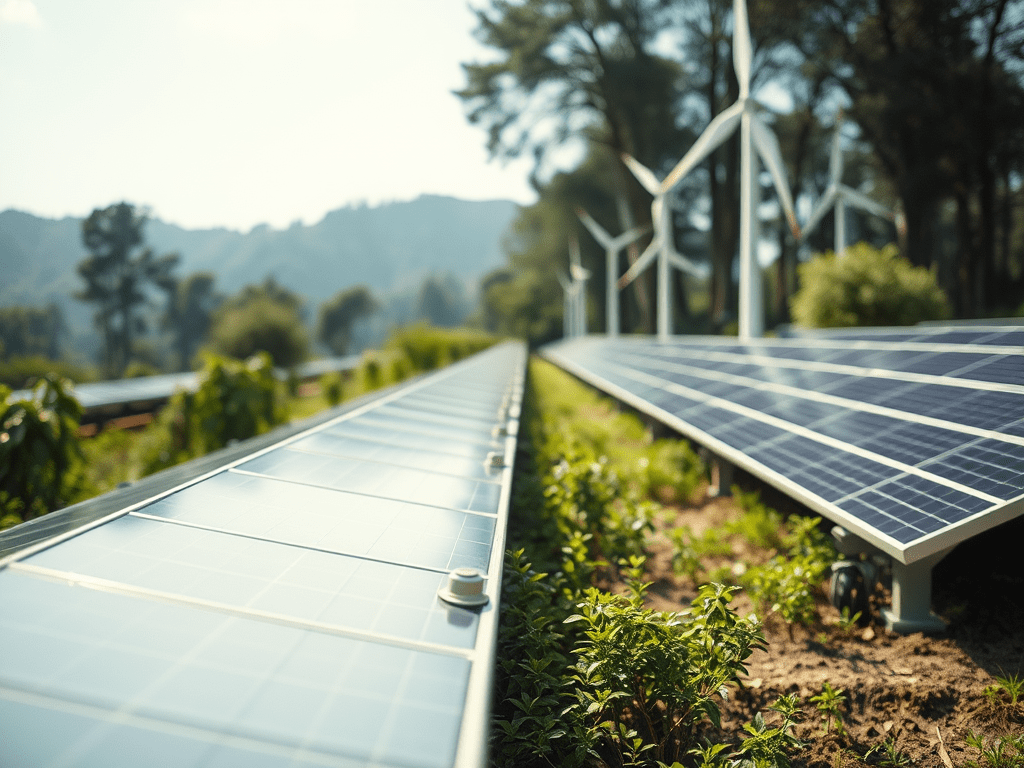
Wind, solar, and hydroelectric power provide sustainable alternatives to fossil fuels. Innovations like floating solar farms and energy storage systems ensure a reliable and renewable energy supply without compromising progress.
The Takeaway: It’s not about stopping energy use—it’s about powering our lives sustainably through renewable resources.
Let’s stop asking “What should we give up?” and start asking “How can we do better?”
#Sustainability #Innovation #CircularEconomy #CleanEnergy
 Sucheta's blog