Category: Personal

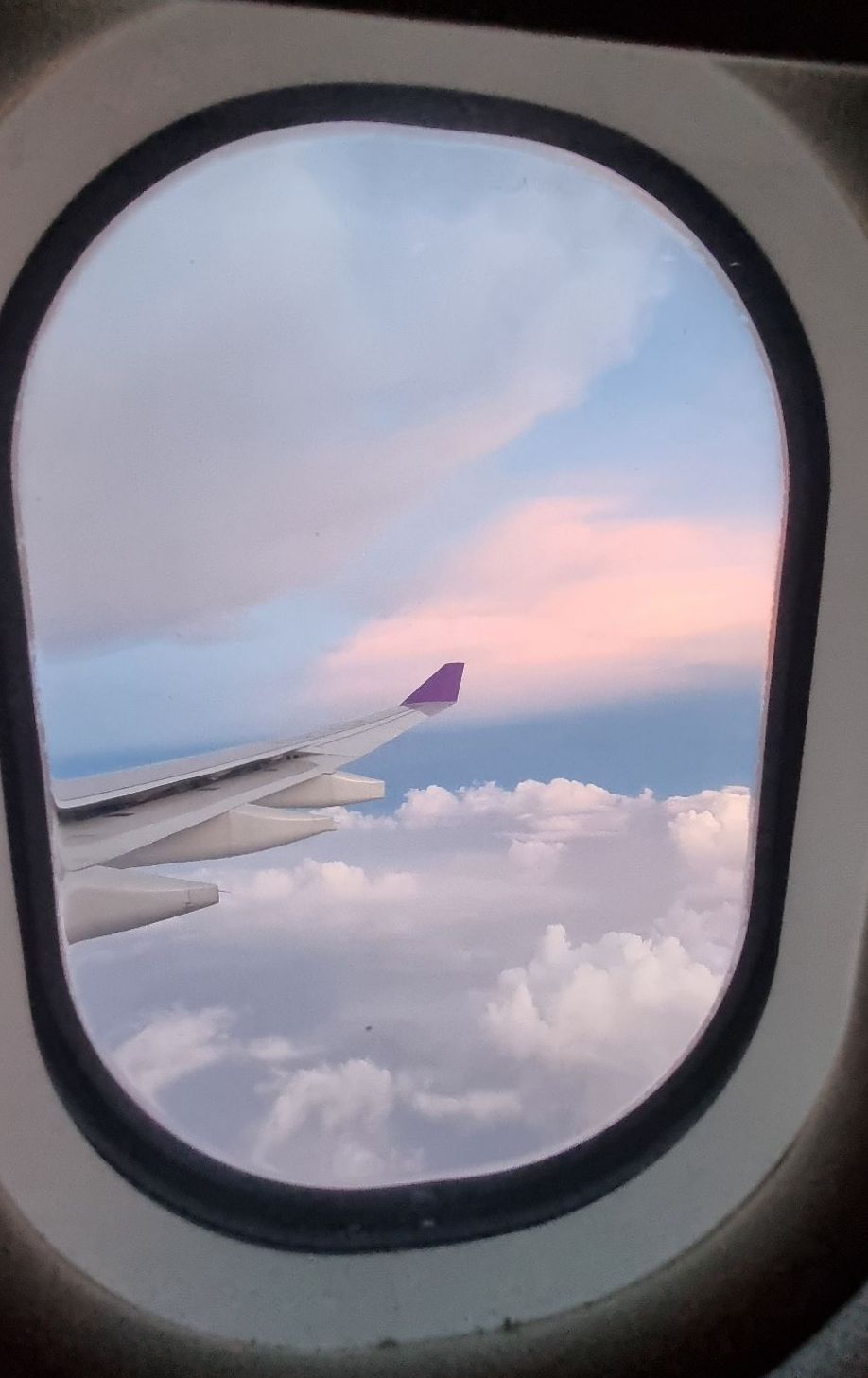
  • ✈️ Flying through fear: How I keep going even when anxiety hits the sky


    I used to be an extremely frequent flyer.

    I traveled across countries and continents for work, excited to see new places and experience different cultures. Flying was just another part of my life—boarding passes, airports, tiny coffee cups, and takeoffs felt normal to me. I wanted to see the world, and I did.

    But somewhere along the way, something changed. I don’t know exactly how or why, but I began to develop a fear of flying. It started as small anxiety, then grew into moments of real panic. And yet—I still fly.

    Yes, I still book my tickets. I still pack my bags. I still sit on those planes, heart racing at times, but I go anyway.


    🧘‍♀️ How I cope before and during a flight

    Over time, I’ve found my own way of dealing with this fear. These are some things I do every time I travel:

    • I download guided meditations from the Mindvalley app.
      As soon as I’m on board, I start playing one after the other—soothing, calming voices that help me breathe and center myself.
    • I chant mantras silently.
      It grounds me. It reminds me I am protected, I am safe, I am supported.
    • I gently tell myself:
      “I am in this container, and it must reach its destination safely.”
      Somehow, that thought brings peace.
    • I visualize my arrival.
      I imagine myself landing, stepping out, meeting people, exploring new places. I create mental pictures of joy and purpose—of what lies ahead. That vision carries me through.

    🌍 Fear shouldn’t steal our dreams

    I know many people who fear flying. Some have given up the dream of seeing the world—even though they’re fully capable—because anxiety took over.

    If you’re one of them, please know:
    You are not alone. Your fear is valid. But so is your dream.

    Trust the systems. Trust the training. Speak about your fear—be vocal. Tell the crew. Tell a friend. Most importantly, tell yourself that you can do this anyway.


    This post is for anyone who has been through trauma, panic, or difficult moments in the air or on the ground.
    You’re not weak for being afraid. You’re incredibly strong for still choosing to fly.

    You don’t need to erase the fear to live your life.
    You just need to walk through it—one breath, one mantra, one flight at a time.


  • What’s in your control?

    What’s in your control?

    Where do you see yourself in 10 years?


    I see peace—not because life is perfect, but because I’ve let go of the need to struggle.

    I see abundance flowing with ease. Work driven by passion, not pressure. A home and family filled with laughter, calm, and love.

    I see myself giving back—supporting others with wisdom, presence, and purpose.

    This vision isn’t about control over the future—it’s about owning what is in my control:
    My mindset. My energy. My choices. My presence.

    Ten years from now? I’ll be living with intention—and that’s more than enough.


  • Can Colleagues Be Friends? A Personal Take

    There’s a popular saying I’ve often heard: “Colleagues are not your friends.” It’s usually said with an air of caution, as if forming real bonds at work is risky or unprofessional. But as someone who is naturally friendly, curious, and outgoing, I’ve never been able to fully accept this notion.

    Why do we have to suppress our authentic selves just to “fit in” at work? Why do friendliness and professionalism have to be treated as opposites?

    I’ve worked in teams across cultures and geographies, and I’ve come to believe that fostering healthy friendships in the workplace is not only possible — it’s essential. We spend one-third of our lives at work. That’s too long a time to keep our guards up or to walk on eggshells around people we spend most of our day with.

    Yes, boundaries are important. We should be mindful not to bring personal baggage into professional decisions, and not every colleague needs to become a confidante. But building genuine connections can humanize our workplace. It leads to better collaboration, more open communication, and increased loyalty. Gallup research supports this — employees who have a best friend at work are more engaged, productive, and committed to their company’s success.

    In fact, many companies now promote the idea of “psychological safety” — a term coined by Harvard professor Amy Edmondson — which refers to an environment where people feel safe to be themselves, voice their thoughts, and show vulnerability. It’s no surprise that organizations that foster such cultures often outperform those that don’t.

    I’ve seen firsthand how friendships at work can make us more resilient during stressful projects, help us celebrate wins with genuine joy, and allow us to support each other during rough patches — both personally and professionally. These relationships aren’t about crossing lines; they’re about understanding the people behind the roles.

    Of course, not every colleague will become a friend, and that’s okay. But to treat the idea as taboo or unwise? That’s a disservice to the power of human connection.

    Being professional should not be mistaken for being distant. There is a fine balance — and when done right, that balance creates a workplace that feels less like a battlefield of egos and more like a community of people growing together.

    So next time someone says “colleagues aren’t your friends,” maybe ask — why not?